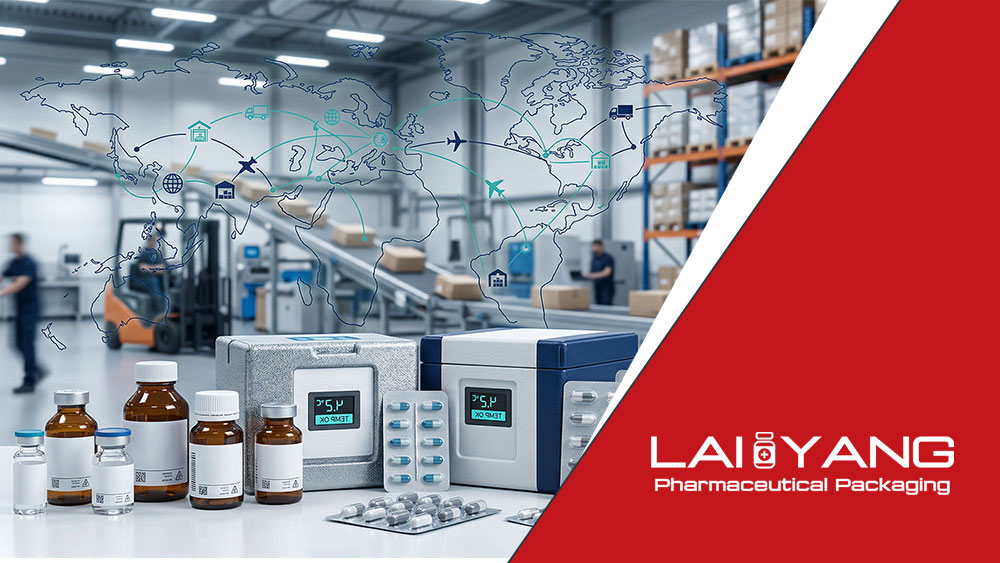
The way pharmaceutical products reach patients is changing faster than most supply chains are prepared to handle.
The US pharmaceutical market hit $634.32 billion in 2024 — and it is not slowing down. But the more consequential shift isn’t the size of the market. It’s where and how products are moving through it.
Distribution Is No Longer a Single Channel
Hospital pharmacies remain the dominant end user, but consumers and patients are now the fastest-growing segment. Online prescription platforms like Amazon Pharmacy are growing at 38% annually, and direct-to-consumer distribution is no longer a niche — it is rapidly becoming a primary channel.
At the same time, cold chain logistics is the fastest-growing segment in pharmaceutical distribution services, while decentralized warehousing and Micro Fulfillment Centers are being adopted across the industry. Cardinal Health at-Home Solutions alone ships 80,000 medical supply packages daily across roughly 12 US distribution centers — a scale that illustrates just how dramatically the logistics infrastructure is evolving.
Packaging Cannot Be an Afterthought
Here is the reality: every change in distribution method creates a direct consequence for packaging format.
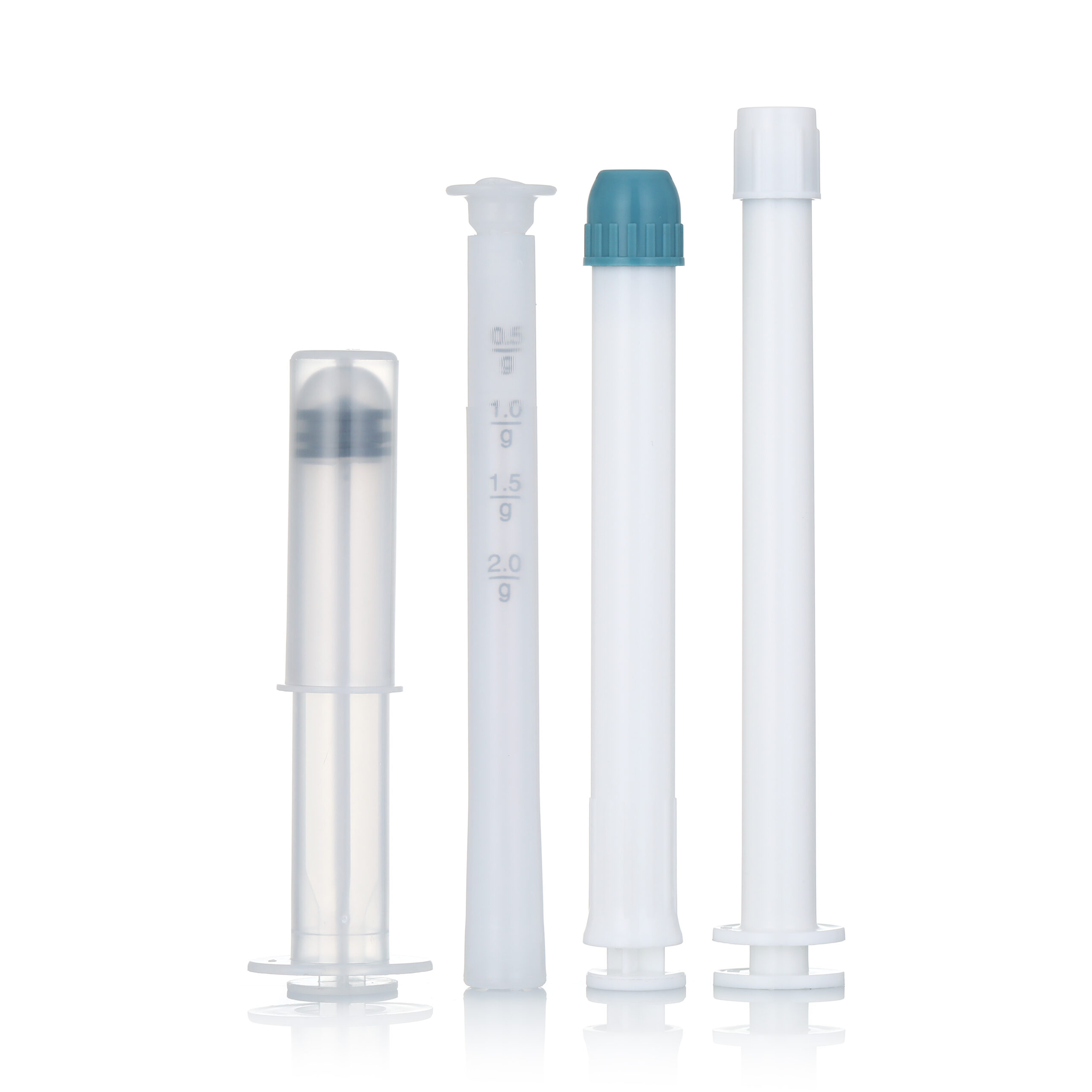
The shift away from bulk hospital supply toward unit-dose, personalized, and direct-to-patient packaging requires a fundamental rethink of how products are designed from the point of manufacture. What protects a product moving through a centralized hospital pharmacy system is not what protects it moving through a last-mile cold chain to a patient’s front door.
Regulatory complexity compounds this further. The 340B Drug Pricing Program, DSCSA track-and-trace requirements, and USP standards each impose distinct packaging and labeling obligations that must be built into supply chain design — not retrofitted at the end.
Silos Are the Real Supply Chain Risk
Hospitals and pharmaceutical manufacturers are increasingly recognizing that packaging strategy cannot sit in isolation from distribution planning. Effective end-to-end supply chain solutions require packaging, storage, and distribution to be integrated from the start — not optimized separately and stitched together later.
The pharma companies positioning themselves well for the next five years are the ones treating packaging as a strategic supply chain variable, not a downstream commodity decision.
The question isn’t whether distribution will keep changing. It’s whether your packaging strategy is designed to move with it.
If your organization is navigating the shift to DTC distribution, expanding cold chain capabilities, or preparing for DSCSA compliance milestones — we’d welcome the conversation. Drop a comment, send a message, or visit our profile to connect with our team.